
Our services
Specialist services.
One experienced team.
From investigation and drain cleaning to tankering and environmental support, WasteClean brings the right people and equipment to each site.
Discuss your requirement ↗Find the right service
Clear answers.
Practical action.
Open any service for a straightforward overview. If you are unsure what is needed, contact the team with your site postcode and a short description of the problem.
 CCTV investigationSee what is happening below ground before deciding what to do next.
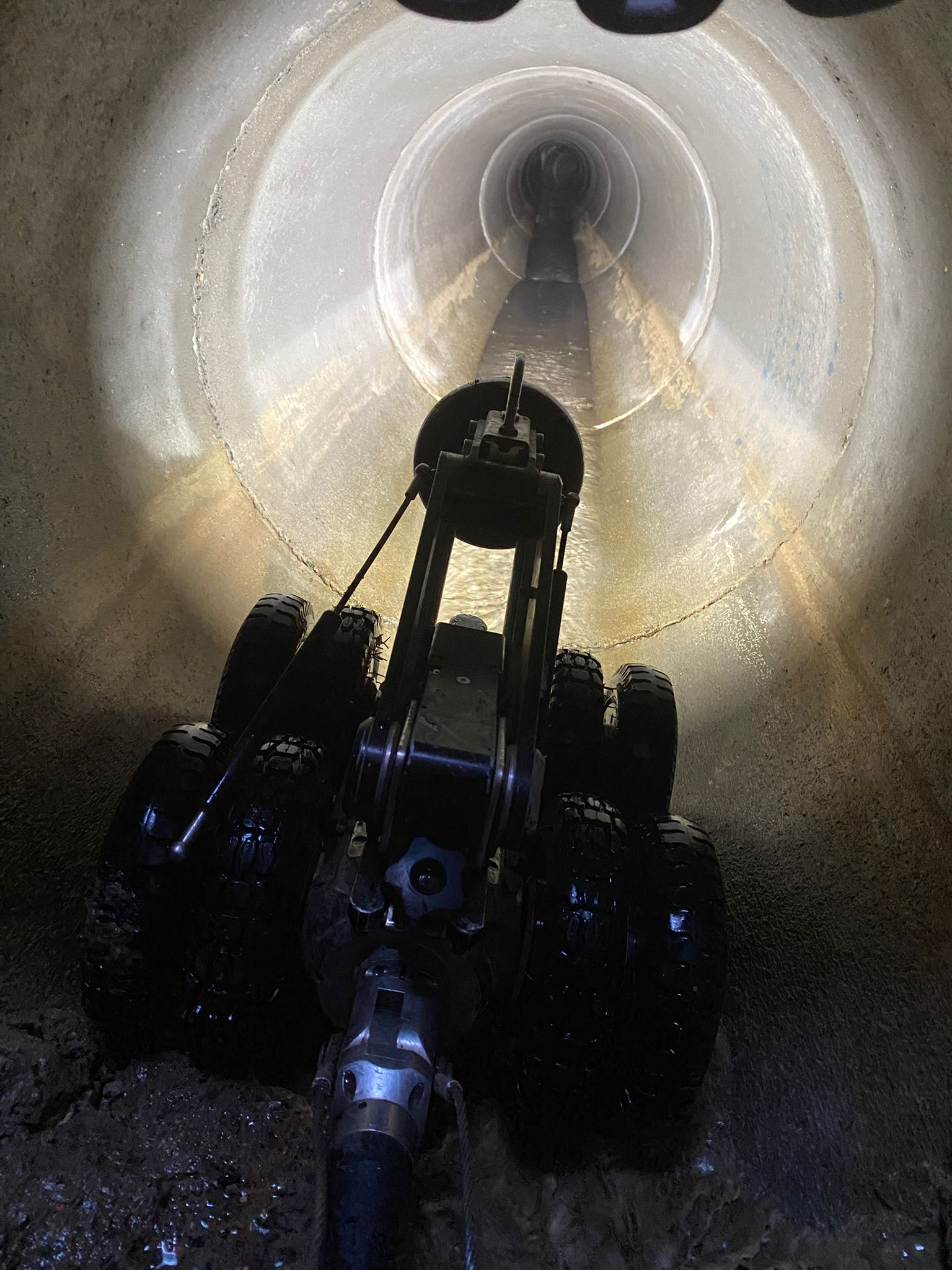
Our remotely operated camera crawlers inspect drainage from inside the pipe, capturing clear footage of joints, fractures, displaced sections, root ingress, silt and blockages. We use the findings to explain the condition of the network and recommend the next practical step, whether that is cleaning, monitoring or repair.
When this service helps
A survey is useful when drains keep blocking, the cause of slow flow is unclear, or you need to understand the condition of an existing system before maintenance or building work. It helps separate a cleaning issue from damage that may need a repair.
How the work is approached
The camera is introduced through an accessible entry point and moved through the pipe to inspect its internal condition. Heavy deposits or standing water can obscure the view, so cleaning may be needed first. The findings help establish which sections need attention and what further investigation is appropriate.
Typical requirements
- Recurring blockages and drainage faults
- Condition surveys and planned maintenance
- Recorded footage and clear findings
- Commercial, industrial and construction sites
Planning your visit
Share any drainage plans, previous survey information and the location of accessible chambers. Tell us about recurring problems and site access restrictions so we can plan the survey and agree the information you need from it.
Talk to the team Drain cleaningTargeted cleaning for blocked, restricted or poorly performing drainage.
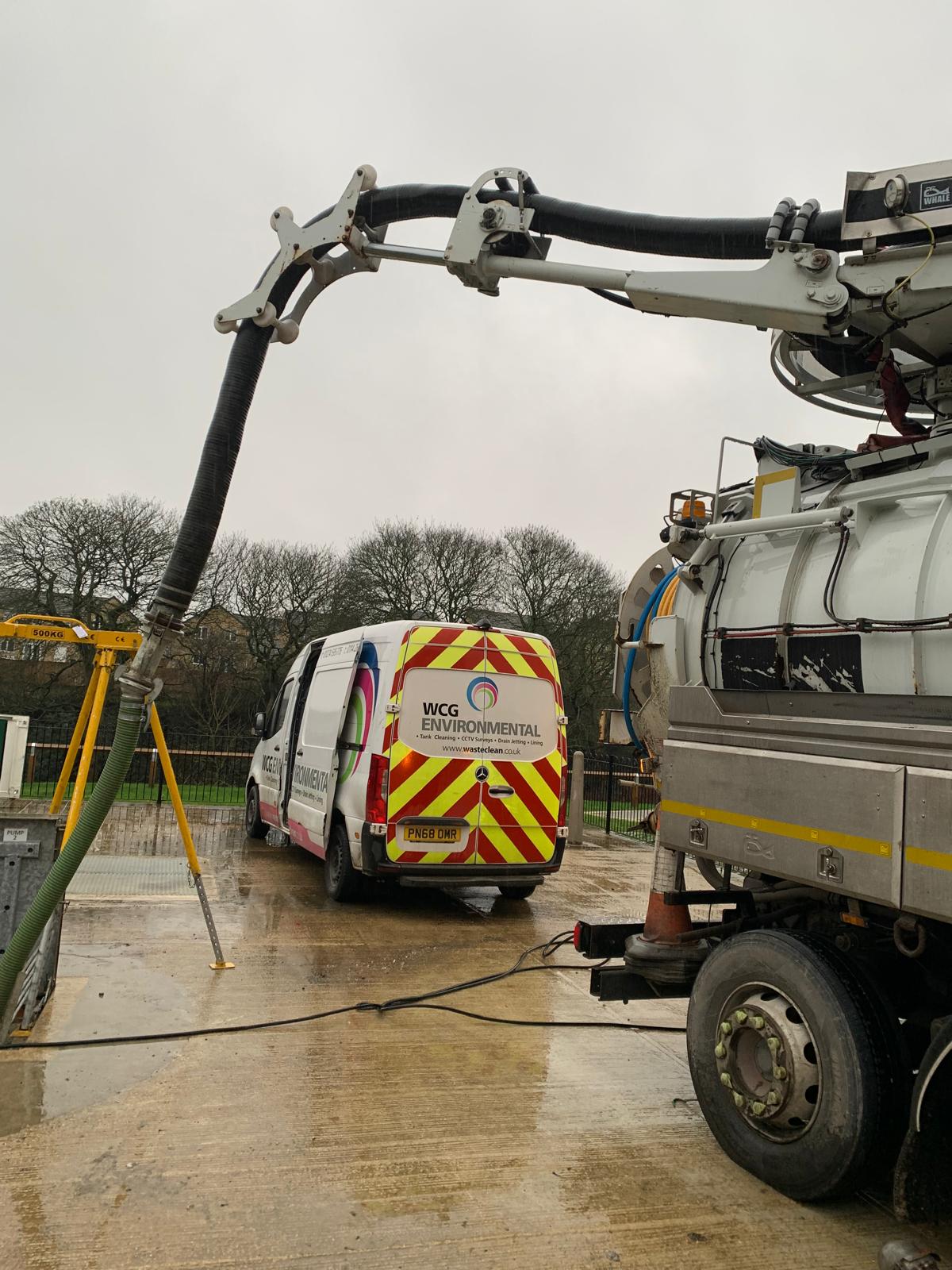
We combine high-pressure water jetting with vacuum recovery to remove grease, silt, roots and other deposits from drainage systems. Before we start, the team considers access, flow, surrounding operations and safe disposal so the work restores performance without creating avoidable disruption.
When this service helps
Cleaning can address slow drainage, recurring obstructions and accumulated deposits before they develop into a more disruptive blockage. Planned visits are particularly useful where a drainage problem could interrupt site operations or access.
How the work is approached
The method is selected around the pipe condition and the material involved. Water jetting loosens deposits while suction equipment recovers material where required. If flow problems persist after cleaning, a CCTV inspection can help identify an underlying defect rather than repeating the same treatment.
Typical requirements
- Blocked and restricted drains
- High-pressure jetting and vacuum recovery
- Preventative drainage maintenance
- Emergency and planned work
Planning your visit
Tell us where the problem occurs, whether it affects more than one drain and whether there is any overflow. Details of chamber access, vehicle space and working hours help us organise the visit around your site.
Talk to the team Environmental cleaningPractical cleaning support for demanding sites and environments.
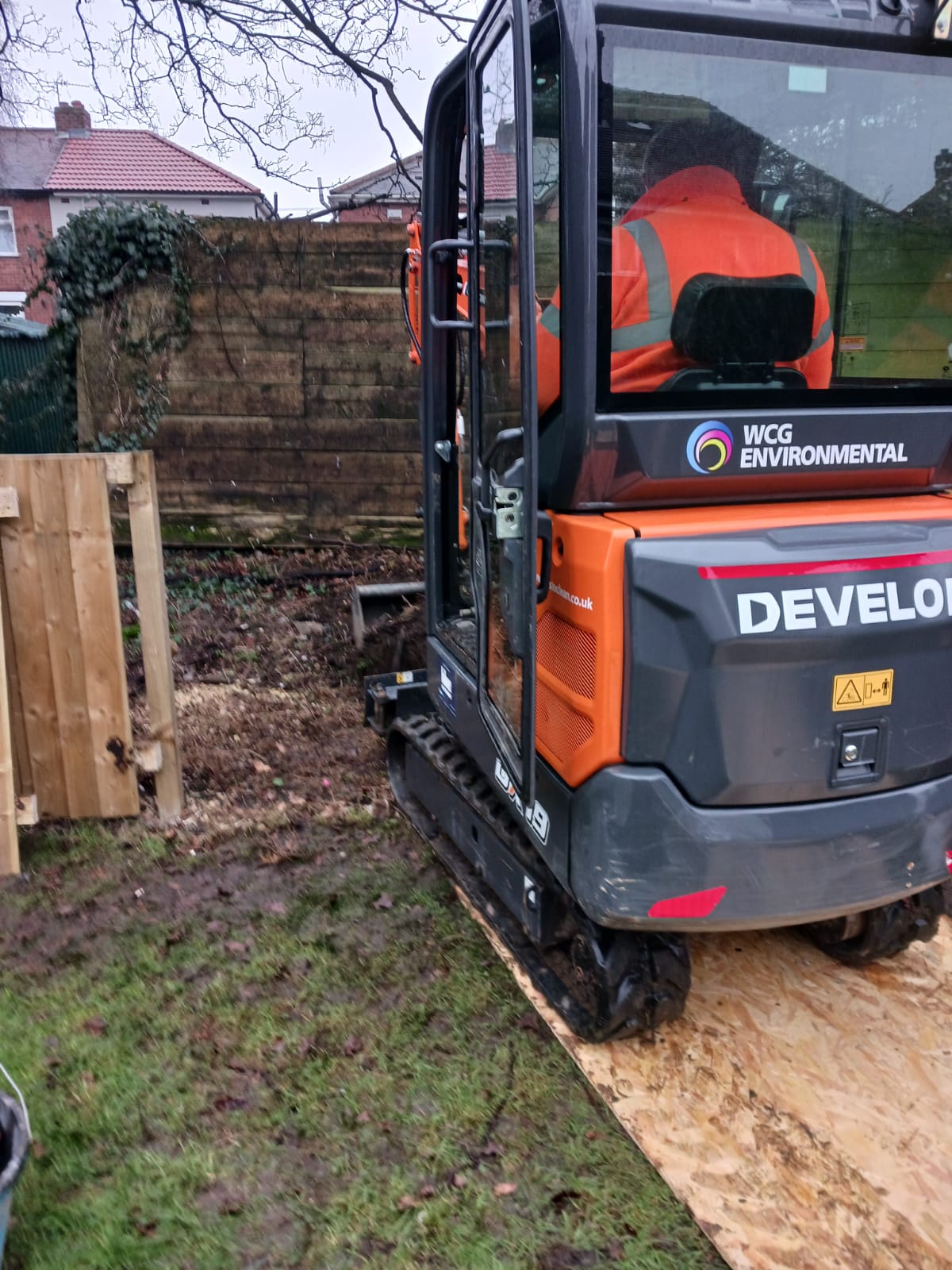
Our environmental cleaning teams support industrial, construction and infrastructure sites where access, runoff, contamination controls or active operations need careful planning. We agree the work area, equipment and disposal route in advance, then leave the site clean, controlled and ready for its next use.
When this service helps
Environmental cleaning supports sites where accumulated material, residue or debris affects access, maintenance or normal operations. Work may involve surfaces, tanks, vessels or infrastructure, with the scope agreed around the conditions on site.
How the work is approached
We establish what needs removing and how the work area can be controlled before selecting the cleaning equipment. Access, nearby operations and the collection of wash water or removed material are considered together. Cleaning can be coordinated with tanker support where material needs recovery and removal.
Typical requirements
- Site and infrastructure cleaning
- Industrial pressure cleaning
- Controlled working environments
- Support for construction and industrial locations
Planning your visit
Provide photographs, the approximate size of the work area and any information about the material present. Let us know about operating equipment, restricted access and shutdown windows so the proposed approach fits the job.
Talk to the team No-dig drain repairRepair drainage defects with less disruption where lining is suitable.
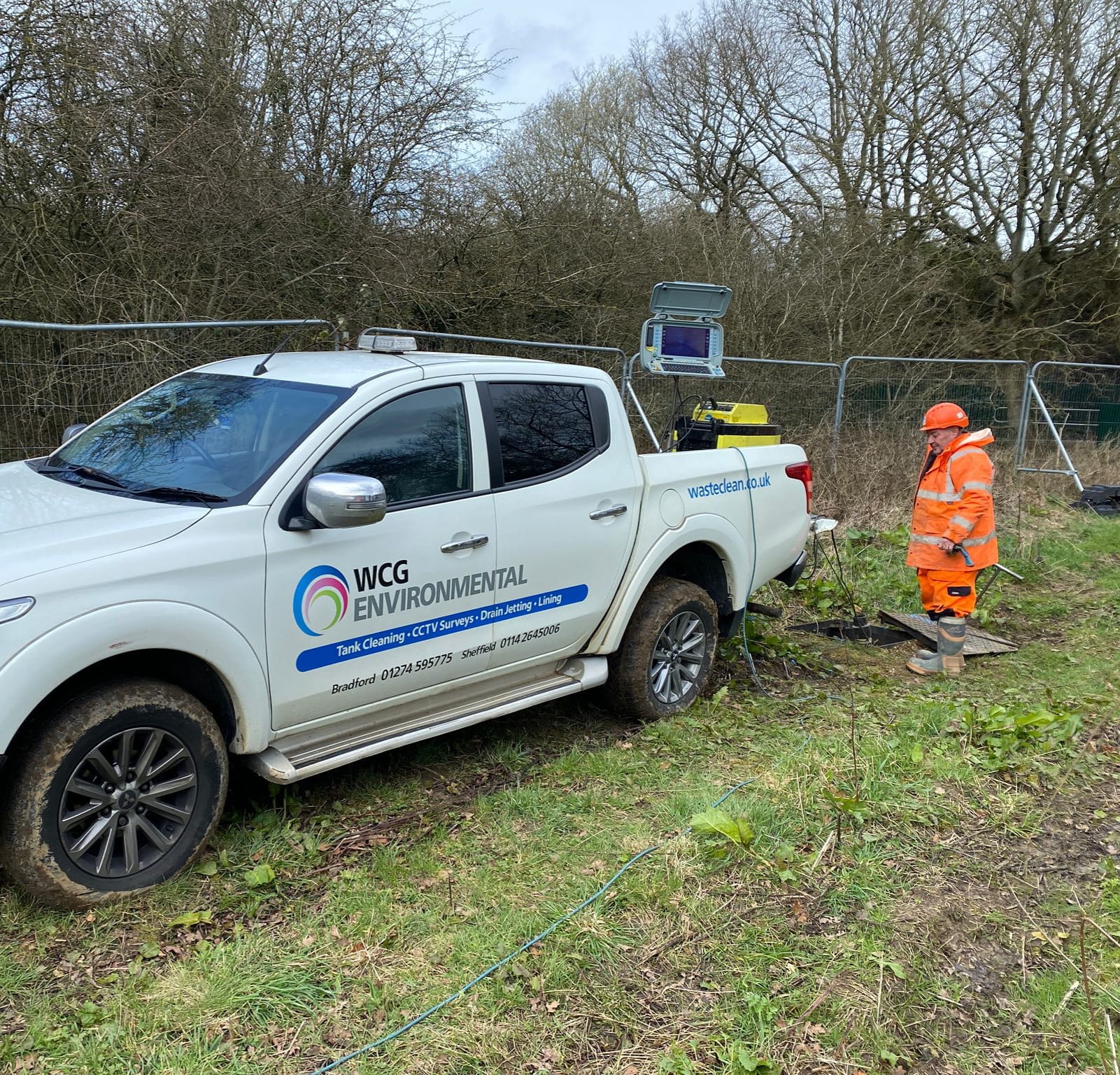
Following a CCTV survey, we can identify whether a local patch, liner or other trenchless method is suitable for the defect. No-dig repair can reduce excavation, traffic management, reinstatement and disruption while extending the working life of the existing pipe.
When this service helps
Trenchless repair may be suitable for isolated defects or damaged sections where the existing pipe can still provide a suitable route for a repair. It can be especially useful beneath hard surfaces or working areas where excavation would cause disruption.
How the work is approached
Survey findings guide the repair choice. The affected pipe is prepared and cleaned before an appropriate patch or liner is installed. The proposed method depends on access, pipe shape and the extent of the damage; a collapsed or badly displaced section may require excavation instead.
Typical requirements
- Evidence-led repair planning
- Local patching and pipe lining
- Reduced excavation where suitable
- Clear next-step advice after inspection
Planning your visit
Send any CCTV footage or previous survey report, together with the location of the fault. We can discuss suitability, access and the likely scope before agreeing a repair approach.
Talk to the team Sludge agitationMobilise settled material safely so a tank can be cleaned effectively.
Sludge agitation supports tank cleaning by loosening and mobilising settled material for removal. The right approach depends on the tank, contents, access and site controls, so we scope each job carefully.
When this service helps
Over time, solids can settle in a tank or lagoon and become difficult to pump out. Agitation mixes and mobilises this material to help prepare it for removal, supporting cleaning and planned maintenance of the asset.
How the work is approached
The approach depends on the contents, consistency, tank layout and available access. Mixing and removal need to be coordinated so mobilised material can be recovered effectively. Agitation is part of the preparation process; it does not replace the collection or onward handling of the sludge.
Typical requirements
- Tank and chamber preparation
- Specialist vacuum support
- Planned maintenance work
Planning your visit
Useful information includes tank dimensions, approximate contents and volume, previous cleaning history and any known restrictions. These details help the team plan equipment access and coordinate vacuum or tanker support.
Talk to the team Tankering servicesReliable tanker support for removal, transfer and site response.
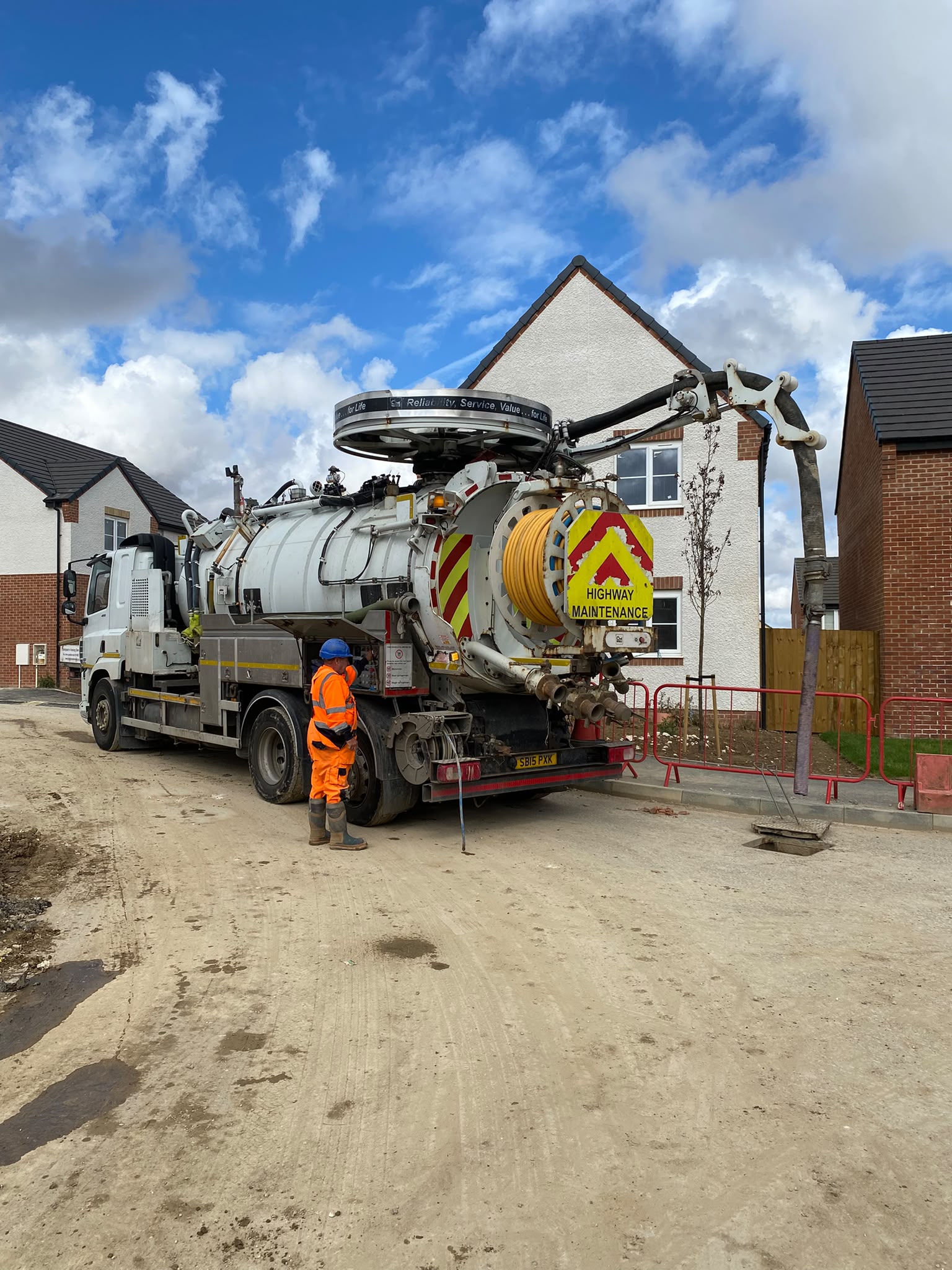
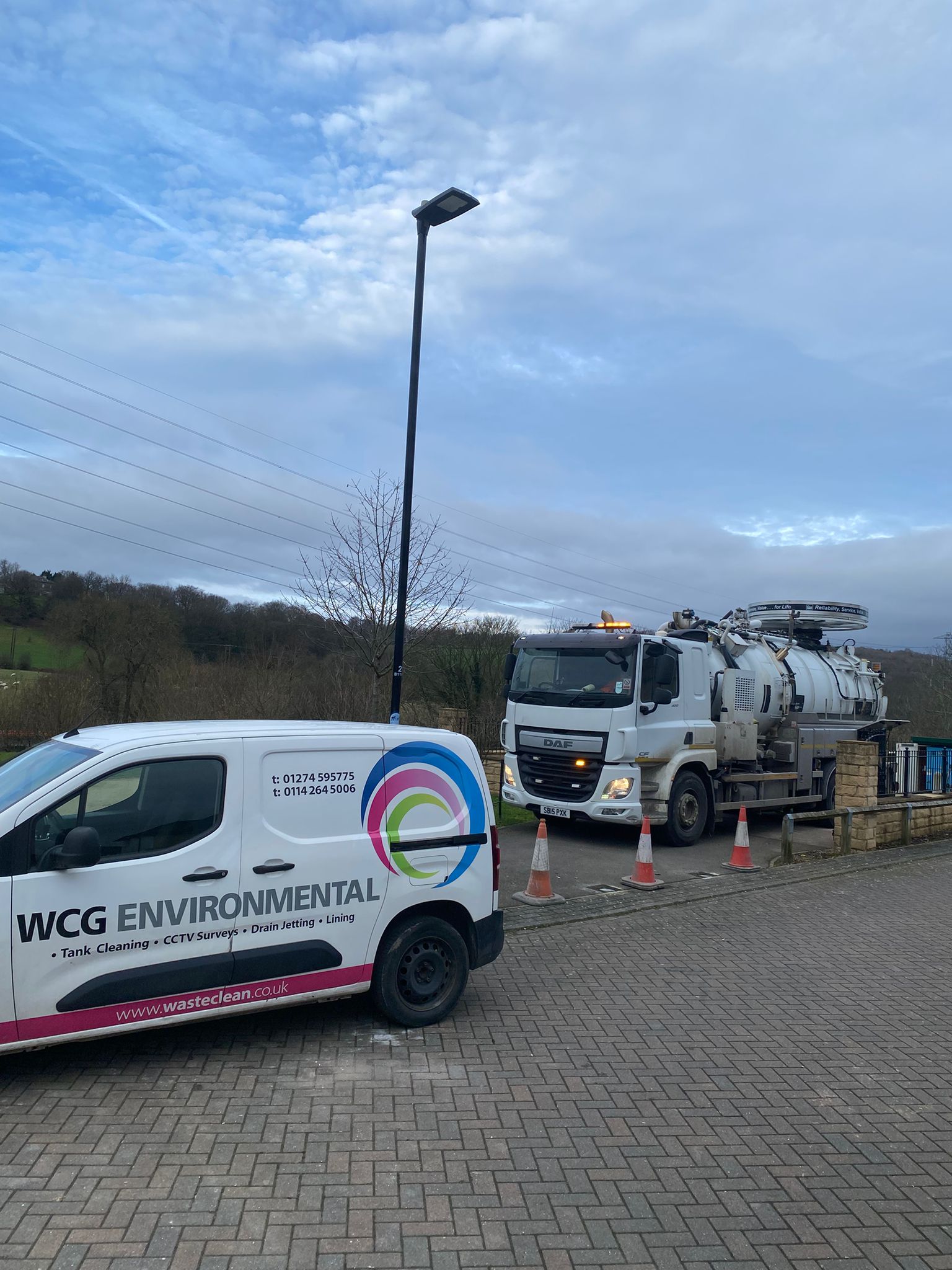
Our tanker fleet supports the removal and transfer of liquid waste, sludge and other materials across a range of sites. We coordinate the right vehicle, equipment and operating plan for the work required.
When this service helps
Tanker support provides collection and movement of liquid waste and sludge for planned cleaning, maintenance and urgent site requirements. It can work alongside drain cleaning or agitation where recovered material needs to be removed.
How the work is approached
We agree the material, estimated volume and collection arrangements before selecting a suitable vehicle and operating plan. Vehicle access, hose routes and the receiving destination all affect the scope. Tell us what the material contains so suitability and onward handling can be established before collection.
Typical requirements
- Liquid waste and sludge removal
- Planned and responsive support
- Specialist teams supporting UK projects
Planning your visit
Include the site postcode, approximate volume, material description and preferred timing when enquiring. Photographs of the access route and collection point are helpful, particularly where vehicle space is limited.
Talk to the teamUK coverage
UK coverage.
Yorkshire and Lancashire at our core.
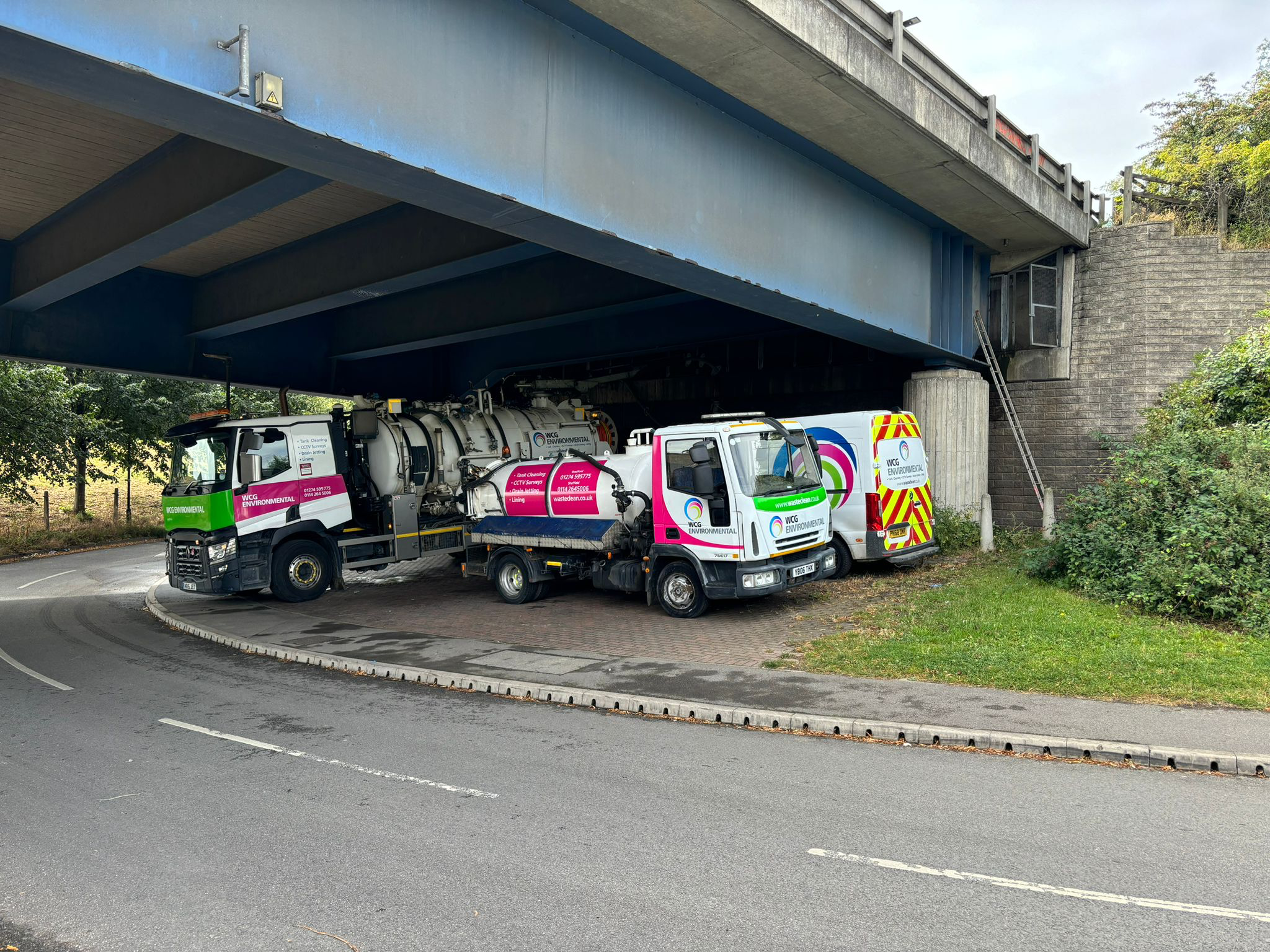
We deliver drainage and environmental services across the UK from our Bradford and Sheffield operating bases. Yorkshire and Lancashire are our main service areas, supported by experienced teams and specialist equipment for planned projects and responsive works.
Discuss your projectclear from the first call
Tell us what your site needs.
Planned work or an urgent problem. Talk to our team about the right response.
Contact WasteClean ↗